Imagine having a home that watches over itself, keeping you and your loved ones safe without you lifting a finger. That’s exactly what smart home security offers.
But how does it work? If you’ve ever wondered how these systems protect your home, this article is for you. By the end, you’ll understand how smart devices, sensors, and alerts come together to create a shield around your space.
Ready to discover the secrets behind smarter, safer living? Let’s dive in.
Credit: www.martinispa.com
Key Components Of Smart Home Security
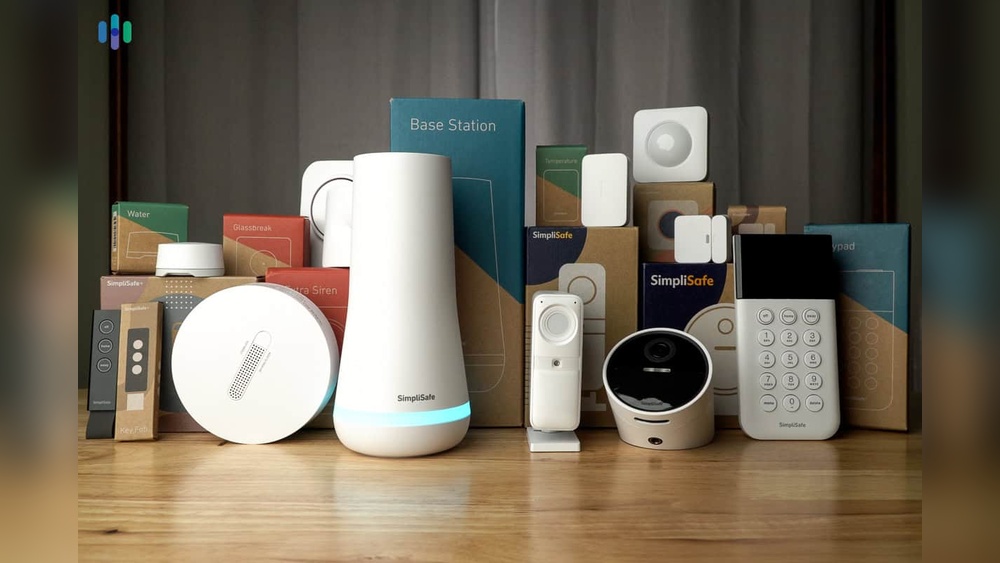
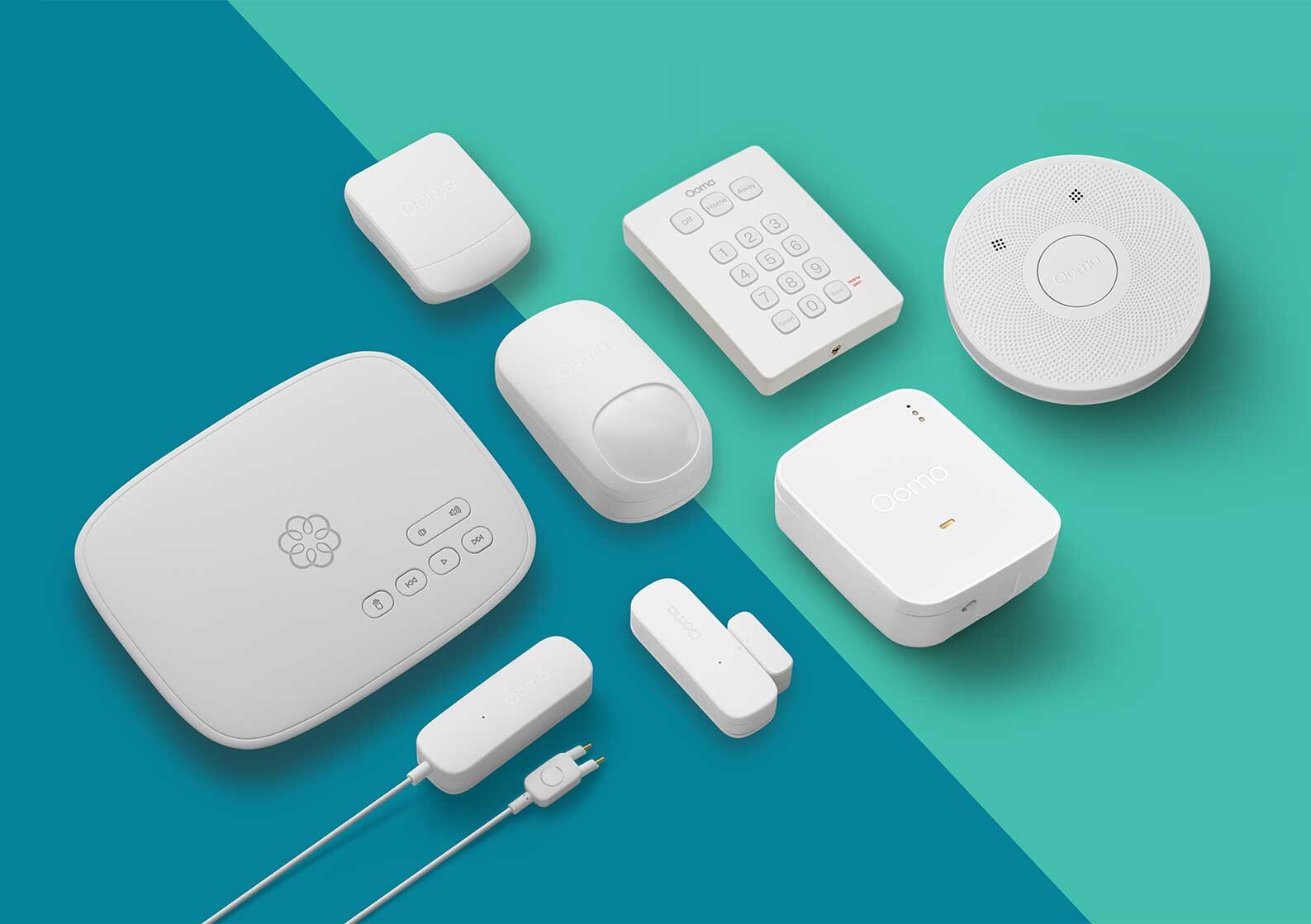
Smart home security relies on several key components. These parts work together to protect your home and family. Each component has a special role. Understanding these helps you choose the best setup for your needs.
Sensors And Detectors
Sensors detect unusual activity in and around your home. Common types include motion sensors, door sensors, and glass break detectors. They alert you to potential threats quickly. Some sensors can also detect smoke, carbon monoxide, or water leaks. These devices keep your home safe from both intruders and hazards.
Surveillance Cameras
Surveillance cameras record video footage of your property. They provide real-time views and recorded evidence. Many cameras have night vision for low-light conditions. Some models offer two-way audio, allowing you to talk through the camera. Cameras act as a strong deterrent against theft and vandalism.
Smart Locks And Access Control
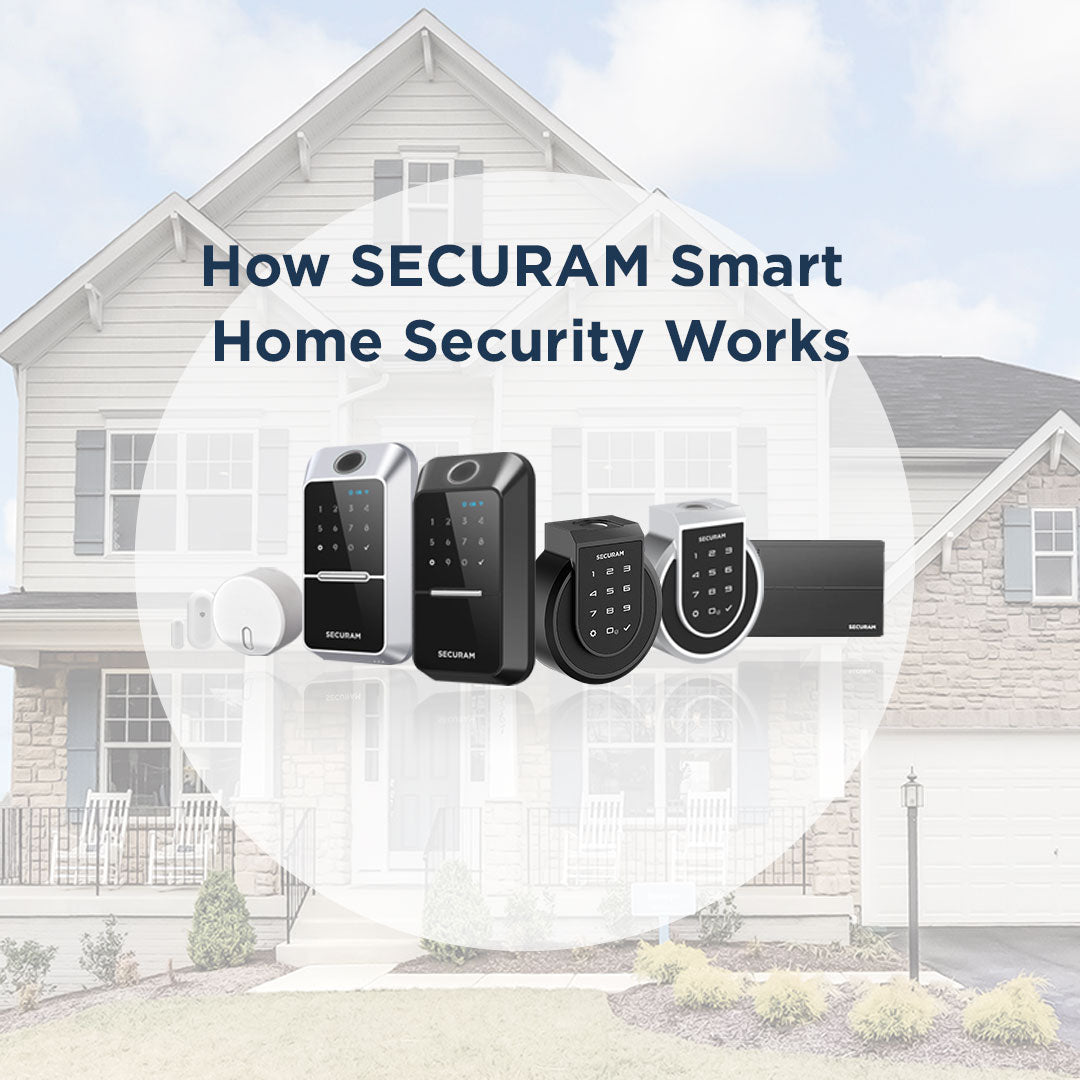
Smart locks replace traditional keys with digital access. You control entry through a smartphone app or keypad. These locks can grant temporary access to guests or service workers. Some models track who enters and when. Smart locks add convenience and improve home security.
Security Hubs And Controllers
Security hubs connect all your smart devices into one system. They manage alerts, settings, and automation rules. Hubs often support voice control through smart assistants. They allow you to monitor and control your security remotely. These controllers make managing home security simple and efficient.
How Smart Security Systems Communicate
Smart home security systems rely on smooth communication between devices. This allows them to detect threats and alert homeowners quickly. The way these systems talk to each other and to you is key to their effectiveness. Understanding how they communicate helps you see their value and trust their performance.
Wireless Protocols
Smart security devices use wireless protocols to send signals. These include Wi-Fi, Zigbee, and Z-Wave. Each protocol has strengths like range, speed, or low power use. Devices connect through these protocols to share information instantly. This wireless communication keeps your home secure without messy cables.
Cloud Connectivity
Cloud connectivity links your devices to online servers. These servers store data and process commands. It lets you access your security system from anywhere. Videos, alerts, and settings sync through the cloud. This connection also allows updates and smarter features over time.
Mobile App Integration
Mobile apps serve as the control center for your system. They receive alerts and let you check live footage. Apps allow you to arm or disarm your system remotely. Notifications keep you informed about unusual activity. This integration makes managing home security simple and direct.
Setting Up Your Smart Security System
Setting up your smart home security system is simple and rewarding. It protects your home with modern technology. A good setup starts with choosing the right devices. Then, follow easy steps to install them. Finally, customize alerts so you know what’s happening at all times. This guide helps you create a safe space with smart security.
Choosing The Right Devices
Select devices that fit your home and needs. Cameras, motion sensors, door locks, and alarms are common choices. Pick devices compatible with your smartphone or hub. Check for good reviews and trusted brands. Think about your budget but focus on quality. Choose devices that are easy to use and reliable.
Installation Tips
Install devices in key areas like entrances and hallways. Place cameras where they cover wide views but stay out of reach. Mount sensors on doors and windows. Use the manufacturer’s guide for clear instructions. Test each device after installation to confirm it works. Keep devices connected to your Wi-Fi for smooth operation.
Customizing Alerts And Notifications
Set alerts to receive updates on your phone or email. Choose notifications for motion, door opening, or alarms. Adjust sensitivity to avoid false alarms from pets or wind. Create schedules for alerts during specific times. Personalize notifications to fit your daily routine. Stay informed without feeling overwhelmed by alerts.

Credit: secomart.com
Enhancing Protection With Automation
Smart home security improves safety by using automation. It makes your home more secure without extra effort. Automation helps your system react faster and smarter. It adapts to your daily life and keeps threats away.
Automation adds a layer of protection that works all the time. It helps prevent break-ins and alerts you quickly about dangers. This section explains how automation strengthens your home security.
Scheduling And Geofencing
Scheduling lets you set security devices to work at specific times. You can turn cameras on at night or lock doors after bedtime. This way, your home stays protected even if you forget.
Geofencing uses your phone’s location to control security. It knows when you leave or come home. The system can lock doors or turn on alarms automatically. This keeps your home safe without manual control.
Integrating With Other Smart Devices
Smart security systems connect with lights, cameras, and alarms. When a sensor detects movement, lights can turn on to scare intruders. Cameras start recording, and alarms sound instantly.
This teamwork between devices makes your home safer. Everything works together to give a quick and strong response to threats.
Responding To Security Events
Automation helps your system respond to events fast. It sends alerts to your phone or a security company. You get notified right away about suspicious activity.
Some systems can call emergency services automatically. This quick action can stop break-ins or fires early. Automation keeps you informed and ready to act.
Credit: securamsys.com
Frequently Asked Questions
What Devices Are Included In A Smart Home Security System?
Smart home security uses cameras, sensors, alarms, and smart locks to protect your home.
How Do Smart Home Security Systems Detect Intruders?
They use motion sensors and cameras that send alerts when unusual activity happens.
Can I Control Smart Home Security Remotely?
Yes, you can control and monitor your system using a smartphone app from anywhere.
How Does Smart Home Security Keep Data Safe?
It uses encryption and secure networks to protect your personal and video data.
What Happens If The Internet Goes Down?
Many systems work offline and store data locally until the internet is back.
Conclusion
Smart home security keeps your house safe and connected. It uses cameras, sensors, and alarms that you control from your phone. You can check your home anytime, even when away. Alerts notify you of unusual activity quickly. Setting schedules makes your system work automatically.
This technology helps protect your family and belongings. It also adds peace of mind every day. Simple to use and reliable. Smart home security is a smart choice for safety.